Video Summary
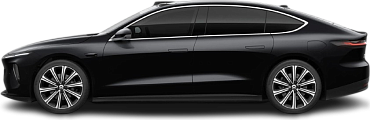
- Nio ET7 is a Chinese electric sedan aiming to compete with Tesla in Europe.- The ET7 starts at €70,000 with a smaller battery option.
- It offers multiple battery sizes and a battery swapping service, unlike many other manufacturers.
- There's no front trunk but there is a wiper fluid reservoir.
- It’s equipped with lidar, cameras, and laser sensors, theoretically capable of level 4 autonomous driving.
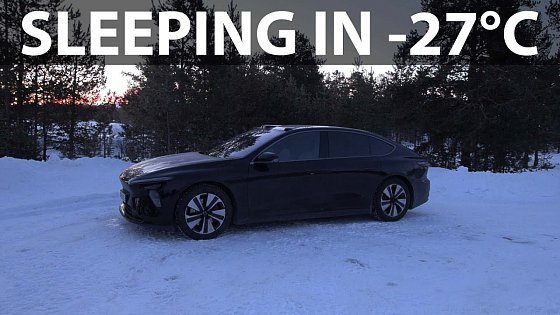
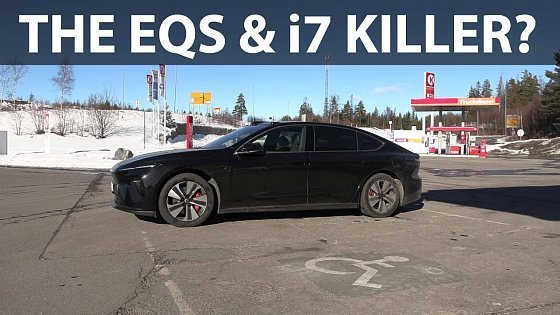
- The exterior design is cool, but colors look better than dark ones.
- 5.10 meters in length makes it a full size sedan.
- The Nio logo is considered similar to the Citroën’s logo.
- In contrast to the outside, some elements of the interior copy the Tesla look and feel.
- There are 3 battery size options: 75 kWh, 100 kWh, or 150 kWh (solid state) batteries.
- There’s approximately 500 km/300 miles of range in real-world conditions.
- The DC peak charge is 130 kWh. Smaller batteries require 30 minutes, 100 kWh requires 40 minutes to charge from 10-80%.
- The vehicle’s acceleration is 3.8 seconds.
- 20 or 21 inch rims with aerodynamic design are used.
- Brembo breaks have been integrated.
- There’s a very clean design, but it’s missing a fastback opening.
- The top speed is 200 km/h or 125 miles/h.
- A high-grade leatherette is an option in China.
- Full autonomous driving is not allowed, but is planned.
- Many European suppliers contribute to Nio.
- “Nomi”, the car’s AI voice assistant is an enjoyable user interface.
- The digital instrumentation is clear to read.
- The center touch screen interface, however, is too Tesla-like and potentially distracting while driving.
- There’s no Apple CarPlay or Android Auto.
- Panel gaps are aligned and generally a very good design.
- For autopilot, it’s important to carefully supervise all the driving features.
- High speed driving feel is well mastered.
- While driving, if the car exceeds the speed limit a verbal warning is given.
- There are concerns about the viability of relying on battery swapping infrastructure and about whether German EV customers may prefer ownership rather than subscription based access to EV services.